
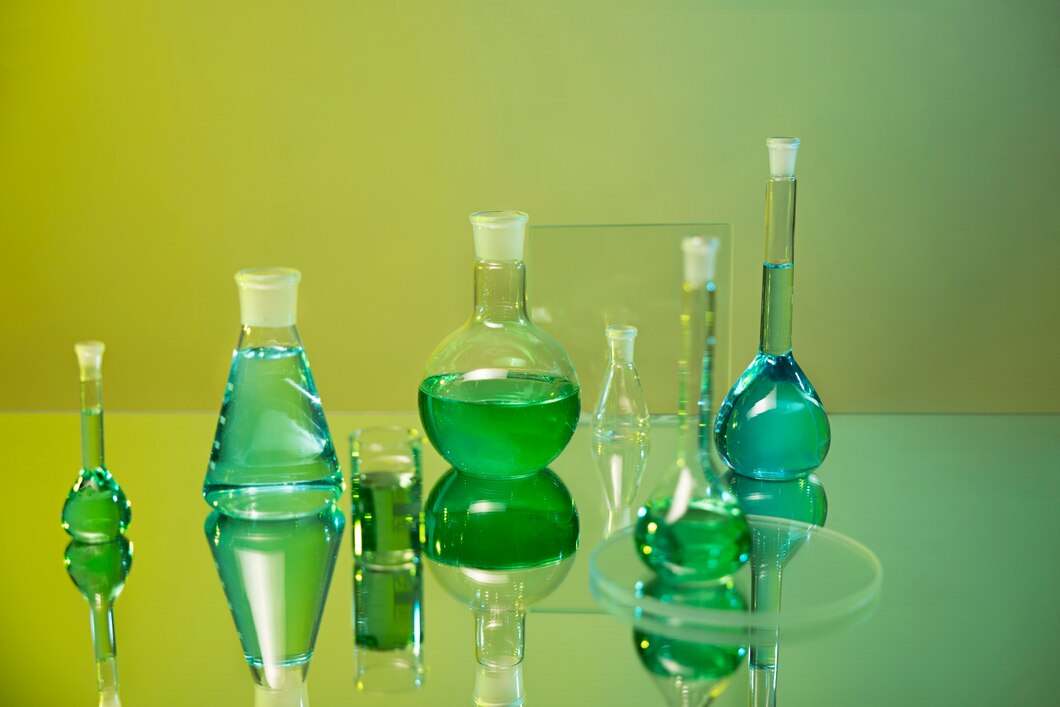
Chemicals are essential to many products used daily, from medications to agricultural tools. However, these products can be created in ways that minimize negative impacts on the environment, human health, and animal welfare. Since the 1960s, inspired by Rachel Carson’s groundbreaking work in Silent Spring, industries have focused on refining chemical production. This movement has grown into a practice known as green chemistry, which is revolutionizing fields like veterinary and human medicine.
What Is Green Chemistry?
The U.S. Environmental Protection Agency (EPA) defines green chemistry as “the design of chemical products and processes that reduce or eliminate the generation of hazardous substances.”
In the veterinary and pharmaceutical industries, scientific innovation starts in the lab, where chemistry plays a central role in designing and delivering treatments for animals and humans. By adopting green chemistry principles, ZYRAX ensures that materials are selected with care, aiming to reduce environmental impact, conserve resources, minimize waste, and operate safe and efficient processes.
While farmers and veterinarians may only see the end results of this work, companies like ZYRAX are taking steps to reduce the environmental footprint of medicine production. A transition to a sustainable future requires greener technologies that manage the chemical lifecycle, from production and use to disposal.
ZYRAX’s Green Chemistry Initiatives
At ZYRAX, we are committed to applying green chemistry principles to develop sustainable solutions for veterinary medicine. For example, we focus on reducing the use of nonrenewable raw materials, solvents, and reagents while identifying safer and more environmentally friendly alternatives. Our investments in green technologies enable continuous manufacturing processes that minimize waste, reduce energy consumption, and ensure product safety.
A case study of these principles showed that adopting green chemistry could lead to a 19% reduction in waste and a 56% improvement in production efficiency compared to traditional methods.
The 12 Principles of Green Chemistry
The American Chemical Society (ACS) introduced 12 guiding principles of green chemistry in 1998. These principles, including prevention, waste reduction, and energy efficiency, align with ZYRAX’s mission of creating sustainable veterinary medicines.
One critical principle is prevention: “It is better to prevent waste than to treat or clean up waste after it has been created.” ZYRAX adopts this mindset throughout our research, development, and production processes.
Why Green Chemistry Matters to Veterinary Medicine
Green chemistry benefits not just the environment but also the animals and people who depend on veterinary solutions. It ensures that life-saving treatments are developed responsibly, balancing innovation with ecological stewardship.
In the veterinary sector, green chemistry helps reduce reliance on exploitative resources and decreases the environmental impact of medicine production. This commitment aligns with ZYRAX’s vision of advancing animal health while protecting global ecosystems.
A Vision for the Future
Looking ahead, ZYRAX will continue to champion green chemistry by adopting cutting-edge technologies, optimizing manufacturing practices, and reducing our carbon footprint. Inspired by our dedication to animal health and sustainability, we aim to set an example for the veterinary industry as a leader in green innovation.
Updated References
- Carson R. Silent Spring. Houghton Mifflin, 1962.
- Green Chemistry. U.S. Environmental Protection Agency. https://www.epa.gov/greenchemistry. Updated December 2024. Accessed January 2025.
- Desai, M., Njoku, A., Nimo-Sefah, L. Comparing Environmental Policies to Reduce Pharmaceutical Pollution and Address Disparities. International Journal of Environmental Research and Public Health. Published July 2024.
- Greener Processes. ZYRAX Innovations. https://www.zyrax.com/green-chemistry. Accessed January 2025.
- Mishra, M., Sharma, M., Dubey, R., et al. Green synthesis interventions of pharmaceutical industries for sustainable development. Current Research in Green and Sustainable Chemistry. Published September 2024.
- Prioritizing Existing Chemicals for Risk Evaluation. U.S. Environmental Protection Agency. Updated November 2024. Accessed January 2025.
- Climate Change Laws of the World. Grantham Research Institute on Climate Change and the Environment. Accessed January 2025.
- 12 Principles of Green Chemistry. American Chemical Society. Accessed January 2025.
- Net Zero by 2040: ZYRAX’s Commitment to Sustainability. Published December 2024. Accessed January 2025.



No comment